Practical Financial Planning for Life in North Fort Myers
North Fort Myers attracts individuals and families looking for stability, accessibility, and a comfortable pace of life close to Fort Myers and the Caloosahatchee River. Financial planning here often centers on making thoughtful decisions about retirement timing, income coordination, and maintaining financial flexibility as circumstances change.
Many residents are balancing multiple priorities at once. Some continue working while preparing for retirement, while others are adjusting income strategies after leaving full-time employment. These transitions bring important questions about how savings, investments, and future expenses should work together in a sustainable way.
Planning Conversations Frequently Focus On:
Coordinating retirement income alongside ongoing employment
Organizing long-standing investment and retirement accounts
Preparing for healthcare and lifestyle expenses
Reviewing insurance and income protection considerations
Aligning financial decisions with long-term household priorities
Rather than relying on one-time decisions, planning becomes an ongoing process that adapts as life evolves. As a fee-only fiduciary, Landsberg Bennett Private Wealth Management centers guidance on your financial goals so decisions remain practical and clearly connected to your long-term direction.
Financial Planning Services for Everyday Stability in North Fort Myers
In North Fort Myers, financial planning often focuses on making steady decisions that support long-term comfort and independence. Many households have spent years building savings and investments and are now focused on organizing income, managing expenses, and preparing for the next stage of life while remaining flexible as circumstances change.
As a fee-only fiduciary, Landsberg Bennett Private Wealth Management keeps planning centered on practical outcomes so financial decisions remain connected to real-life priorities.
Investment Management: Investment portfolios often reflect decades of saving through employer plans and long-term investing. In North Fort Myers, planning frequently focuses on balancing income needs with continued growth while maintaining flexibility for changing expenses and healthcare considerations tied to nearby Fort Myers resources. Reviews emphasize steady adjustments rather than frequent changes, helping investments remain aligned with long-term household priorities.
Financial and Retirement Planning: In North Fort Myers, many households focus on protecting financial stability built over decades of work and homeownership. Planning reviews often include insurance coverage, account ownership structure, and income safeguards designed to reduce disruption from unexpected events such as health changes or property-related risks common in Southwest Florida. The goal is maintaining continuity as income sources evolve.
Asset Protection Strategies: You may want to support children, grandchildren, or causes that matter to you. We help you organize documents, beneficiary choices, and gifting strategies so your assets reflect the legacy you want to leave.
Estate, Legacy, and Gifting Strategies: Estate planning in North Fort Myers often begins with revisiting documents prepared many years earlier and updating them to reflect current circumstances. Families frequently want accounts organized clearly, beneficiaries aligned across retirement savings, and responsibilities simplified for children or relatives who may live outside the area. Planning focuses on creating clarity so future transitions are easier to manage and decisions remain consistent with long-term intentions.
Personal Risk Management: In North Fort Myers, planning discussions commonly address how changing health needs, evolving income sources, and rising healthcare costs may affect long-term stability. Many households prioritize maintaining flexibility while preserving financial independence, especially as retirement unfolds gradually. Ongoing reviews help ensure financial decisions adapt thoughtfully as circumstances change over time.
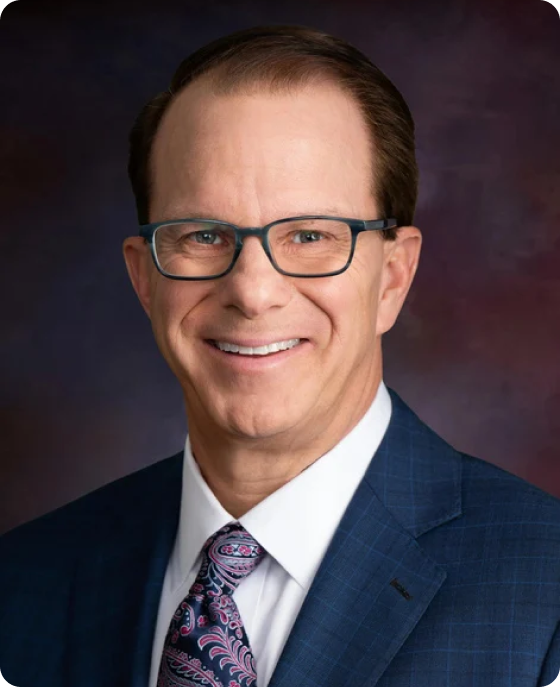
About Our CIO, Michael Landsberg
Background and Education
Michael Landsberg, CIMA®, CFP®, AIF® is the Chief Investment Officer at Landsberg Bennett Private Wealth Management. He holds a Bachelor of Science from Babson College and an MBA from the University of Florida, where he focused on finance and investment-related coursework.
Professional Experience
Landsberg started his career in private banking in New York City, where he gained experience in advisory work and relationship management. He later relocated to Florida, where he continued building his practice and expanded his responsibilities to include investment oversight and portfolio strategy for a broader client base.
Leadership and Investment Approach
As CIO, he directs the investment committee and guides decisions related to portfolio construction, asset allocation, and market evaluation. His approach emphasizes disciplined planning, transparency in communication, and alignment between investment decisions and client goals. He integrates financial planning considerations into market and portfolio discussions to support long-term objectives.
Industry Credentials
His professional designations include:
Certified Investment Management Analyst (CIMA®)
Certified Financial Planner (CFP®)
Accredited Investment Fiduciary (AIF®)
These credentials demonstrate formal training in portfolio management, planning principles, and fiduciary standards.
Media and Public Commentary
Landsberg has shared market perspectives in interviews and financial media discussions, offering clarity on topics such as retirement planning, interest rates, and investment trends.
Community and Personal Involvement
Beyond his professional responsibilities, he has been active in community and family engagements, including support for school organizations and youth sports.
Frequently Asked Questions
Many people begin reviewing finances within the first year after relocating. Changes in housing costs, taxes, insurance, and daily expenses often shift long-term plans more than expected, making early coordination helpful.
Yes. Differences in state taxes, cost structure, and lifestyle spending can affect withdrawal timing, investment allocation, and income planning. Adjustments help ensure prior strategies still fit current circumstances.
Homeownership often changes cash flow priorities. Reviews commonly include emergency reserves, insurance coverage, investment liquidity, and how housing expenses align with retirement timelines.
Some households split time between locations. Planning may need to account for duplicate expenses, healthcare access in multiple areas, and coordination of income sources across changing residency patterns.
Many people reassess accounts after major transitions. Consolidation may simplify tracking, reduce overlap in investments, and make income planning easier to manage long term.
Adjustments typically focus on aligning timelines rather than reacting to short-term market movement. Planning discussions often evaluate income needs, flexibility, and future spending expectations before changes are made.
Planning priorities often differ. Some households focus on organizing savings and establishing direction, while others focus on income coordination and sustainability. Strategies evolve as financial confidence grows over time.