Financial Planning Shaped by Coastal Living and Long-Term Decisions
Boca Grande households often plan with long time horizons, strong preferences for privacy, and a focus on keeping wealth organized across generations. Financial planning conversations here frequently reflect the realities of seasonal schedules, multiple properties, and family responsibilities that extend beyond one household. Decisions tend to be less about building from scratch and more about refining structure, coordinating moving pieces, and keeping planning consistent as life evolves.
Many individuals split time between Gasparilla Island and other locations, which can affect cash flow, tax planning, and how accounts are positioned for both lifestyle needs and future goals. Planning discussions often focus on clarity and coordination so investment strategy, retirement income, and estate intentions support one cohesive plan.
Rather than reacting to short-term changes, planning discussions often center on how existing assets work together. This may include evaluating how income supports seasonal living, how real estate fits into broader financial decisions, or how future transitions should unfold without disrupting an established lifestyle
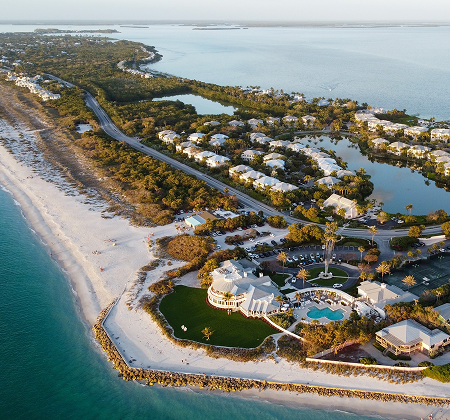
Planning conversations frequently focus on:
aligning investment income with the rhythm of seasonal residency and travel
reviewing how property ownership influences liquidity and long-term planning choices
organizing accounts accumulated over long careers into a clearer financial structure
preparing for healthcare and lifestyle considerations tied to later retirement years
connecting family intentions with practical financial decisions that unfold over time
Planning is treated as an ongoing dialogue rather than a one-time event. As a fee-only fiduciary, Landsberg Bennett Private Wealth Management keeps discussions centered on personal priorities so financial decisions remain grounded, understandable, and connected to long-term direction.
Financial Planning Services for Life in Boca Grande
Life on Boca Grande tends to move at a different pace, and financial decisions often reflect that rhythm. Many households are balancing long-established assets, multiple properties, and family priorities that extend across generations. Planning conversations typically focus less on accumulation and more on keeping financial pieces coordinated, organized, and easy to manage over time.
Seasonal living, property ownership, and evolving family responsibilities can create situations where investment strategy, income planning, and estate decisions need to work together rather than operate separately. Clear structure becomes important so financial choices remain intentional and connected to long-term objectives.
Landsberg Bennett Private Wealth Management operates as a fee-only fiduciary, meaning guidance is compensated directly by clients. Conversations stay centered on personal priorities, helping financial decisions remain practical, transparent, and aligned with long-term direction.
Investment Management: Portfolios in Boca Grande are rarely built around accumulation alone. Many households already hold concentrated positions, long-standing investments, or assets accumulated over decades. Conversations often begin with evaluating what should remain unchanged and what requires adjustment as priorities evolve.
Investment oversight focuses on maintaining balance between liquidity, market exposure, and flexibility. Seasonal living patterns, charitable intentions, and multi-property ownership can influence how assets are positioned. Rather than frequent shifts, the emphasis is on thoughtful adjustments that keep investments aligned with how life is actually lived year to year.
Financial and Retirement Planning: Planning discussions often revolve around coordination rather than milestones. Income may come from several sources, each serving a different purpose across the year. Decisions about withdrawals, timing, and spending structure are approached as part of an ongoing framework rather than a one-time retirement event.
For many households, clarity comes from simplifying moving parts. Accounts, income streams, and future intentions are organized so financial decisions feel deliberate instead of reactive. The objective is continuity, allowing lifestyle choices and long-term planning to move forward without unnecessary friction.
Asset Protection Strategies: Financial protection is often shaped by lifestyle structure as much as by balance sheets. Households managing coastal property, seasonal occupancy, or long-held assets frequently revisit how ownership is arranged and how risk is distributed across accounts and insurance coverage.
Rather than preparing for unlikely scenarios, planning centers on reducing avoidable disruption. Decisions focus on maintaining continuity so unexpected events do not force rushed financial choices or complicated transitions during already stressful moments.
Estate, Legacy, and Gifting Strategies: Family planning conversations frequently evolve over time as priorities shift between generations. Some households are refining plans created years earlier, while others are coordinating assets spread across trusts, investment accounts, and real estate.
Attention is often placed on how responsibilities transfer alongside wealth. Clear structure helps heirs understand intentions without unnecessary complexity, allowing family decisions to unfold smoothly while preserving privacy and long-term direction.
Personal Risk Management: Unexpected changes rarely arrive on a convenient schedule, which is why many households prefer financial decisions that leave room for adjustment without forcing major changes to daily life. Conversations often focus on how healthcare costs, evolving family responsibilities, or shifts in income could affect long-term plans while preserving independence and choice.
Rather than reacting to uncertainty, planning emphasizes preparedness through thoughtful structure. The intention is to keep financial decisions manageable so lifestyle priorities can continue uninterrupted even as circumstances evolve.
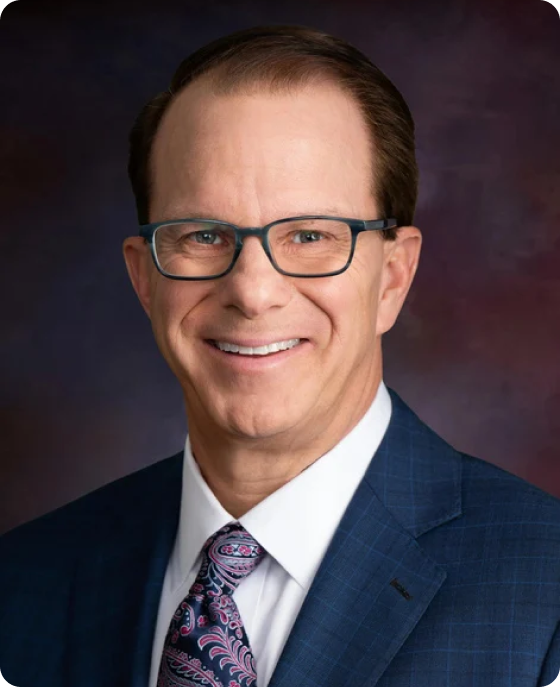
About Our CIO, Michael Landsberg
Background and Education
Michael Landsberg, CIMA®, CFP®, AIF® is the Chief Investment Officer at Landsberg Bennett Private Wealth Management. He holds a Bachelor of Science from Babson College and an MBA from the University of Florida, where he focused on finance and investment-related coursework.
Professional Experience
Landsberg started his career in private banking in New York City, where he gained experience in advisory work and relationship management. He later relocated to Florida, where he continued building his practice and expanded his responsibilities to include investment oversight and portfolio strategy for a broader client base.
Leadership and Investment Approach
As CIO, he directs the investment committee and guides decisions related to portfolio construction, asset allocation, and market evaluation. His approach emphasizes disciplined planning, transparency in communication, and alignment between investment decisions and client goals. He integrates financial planning considerations into market and portfolio discussions to support long-term objectives.
Industry Credentials
His professional designations include:
Certified Investment Management Analyst (CIMA®)
Certified Financial Planner (CFP®)
Accredited Investment Fiduciary (AIF®)
These credentials demonstrate formal training in portfolio management, planning principles, and fiduciary standards.
Media and Public Commentary
Landsberg has shared market perspectives in interviews and financial media discussions, offering clarity on topics such as retirement planning, interest rates, and investment trends.
Community and Personal Involvement
Beyond his professional responsibilities, he has been active in community and family engagements, including support for school organizations and youth sports.
Frequently Asked Questions
Property ownership often changes more than housing expenses. Many households review insurance coverage, account titling, liquidity reserves, and how property costs fit into long-term income planning. Ownership structure and estate documents are also commonly revisited so responsibilities transfer smoothly if circumstances change.
Florida property can introduce probate and ownership considerations that differ from other states. Planning discussions often focus on how real estate is titled, how it transfers to heirs, and whether existing documents reflect current intentions. Coordinating property decisions with broader estate planning helps reduce confusion for family members later.
When families are geographically spread out, clarity becomes important. Many households create centralized documentation, update beneficiary designations, and define decision responsibilities in advance. The goal is helping financial matters remain understandable and manageable regardless of where family members live.
Reviews are commonly triggered by life changes rather than calendar dates. Property purchases, relocations, family transitions, or shifts in financial responsibility often signal the need to revisit wills, powers of attorney, and beneficiary designations. Regular reviews help ensure documents reflect current realities rather than past circumstances.
Compensation comes directly from clients rather than product providers. This structure supports conversations centered on planning decisions instead of product selection. Many individuals value the ability to evaluate options openly and understand how recommendations connect to long-term priorities.
Some families choose to structure giving so it aligns with broader legacy goals. Planning may include timing gifts strategically, coordinating donations with income years, or involving younger generations in philanthropic decisions. Thoughtful planning allows charitable intentions to remain organized alongside other financial priorities.
Gifting decisions often involve balancing generosity with long-term financial independence. Discussions typically review tax considerations, timing, and how gifts affect future planning flexibility. Clear communication and documentation help prevent misunderstandings while keeping family intentions intact.